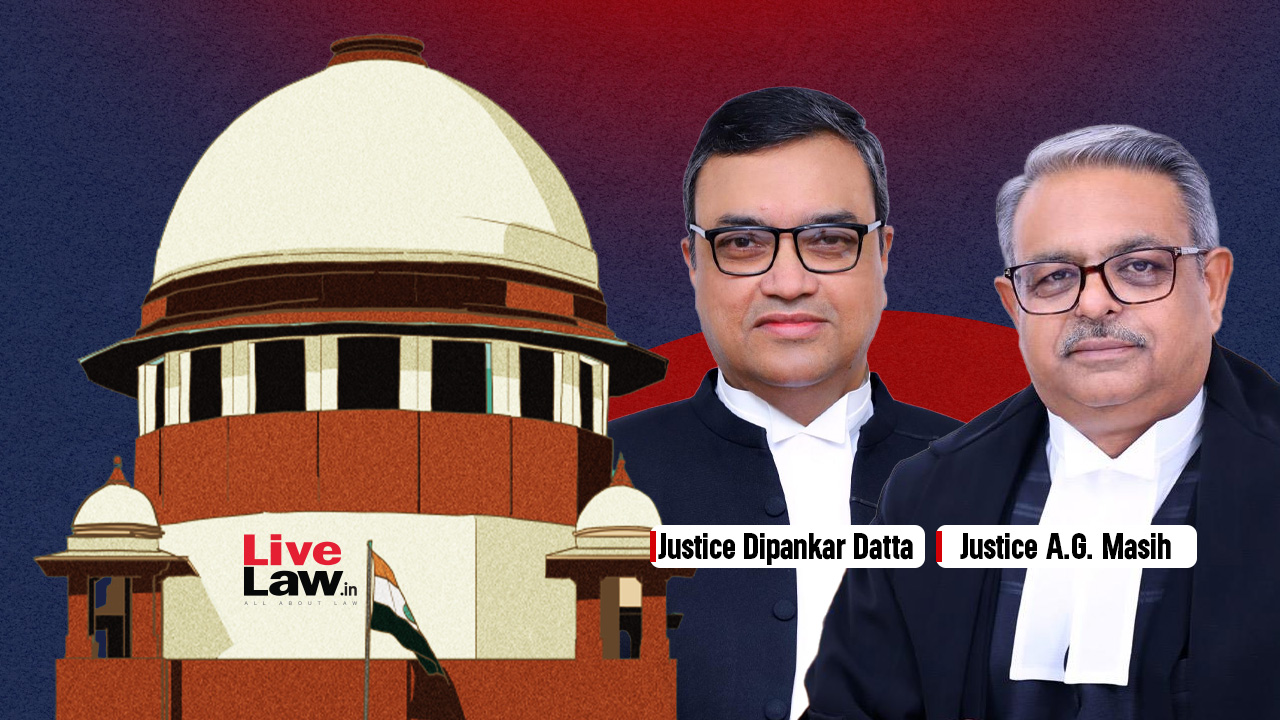
Abhimanue vs State of Kerala 2025 INSC 1136 - CrPC -Cancellation/Revocation Of Bail

Code of Criminal Procedure - Bail - Criminal antecedents by themselves cannot constitute a ground for denial of bail. (Para 23) - Cancellation & Revocation (setting aside)- Bail may be cancelled when the accused violates any of the conditions imposed. On the other hand, an order granting bail can be revoked if such an order is found to be perverse or illegal. (Para 17) Cancellation/revocation of bail seeks to uphold trial integrity. The dominant purpose thereof is to ensure a fair trial and protect societal interests by preventing persons accused of a heinous or grave crime and having tendencies to influence or intimidate witnesses or to tamper evidence from being released. Indeed, if such accused are likely to interfere with witness testimony, the courts could be justified in ordering the accused to be taken back into custody. However, at the same time, the golden rule of bail jurisprudence of ‘bail being the rule and jail an exception’ cannot be ignored. (Para 24)
Case Info
Case Name and Neutral Citation
- Case Name: Abhimanue & Ors. v. State of Kerala
- Neutral Citation: 2025 INSC 1136
Coram (Judges)
- Dipankar Datta, J.
- Augustine George Masih, J.
Judgment Date
- 22 September 2025
Caselaws and Citations Referred
- P v. State of Madhya PradeshCitation: (2022) 15 SCC 211
- Ranjit Singh v. State of M.P.Citation: (2013) 16 SCC 797 : (2014) 6 SCC (Cri) 405
- Abdul Basit v. Mohd. Abdul Kadir ChaudharyCitation: (2014) 10 SCC 754 : (2015) 1 SCC (Cri) 257
- Dolat Ram v. State of HaryanaCitation: (1995) 1 SCC 349 : 1995 SCC (Cri) 237
- Ayub Khan v. State of RajasthanCitation: 2024 SCC OnLine SC 3763
Statutes/Laws Referred
- Indian Penal Code, 1860 (IPC)
- Sections 143, 147, 148, 149, 324, 302, 120-B, 109, 115
- Code of Criminal Procedure, 1973 (CrPC)
- Sections 173(2), 439(2), 401, 482
- Arms Act, 1959
- Section 27(1)
- Bhartiya Nyaya Sanhita, 2023
- Sections 115(2), 118(1), 351(2), 25
Q&A
Q1: What was the main issue before the Supreme Court in Abhimanue & Ors. v. State of Kerala? A1: The main issue was whether the Kerala High Court was justified in revoking the bail granted to the appellants (accused of murder and related offences), after the trial court had granted bail and the State sought cancellation of bail more than a year and a half later.
Q2: On what grounds did the High Court set aside the bail orders? A2: The High Court set aside the bail orders because the Sessions Court had granted bail mechanically, considering only the period of custody and lack of opposition from the Public Prosecutor, without addressing the seriousness of the crime or the risk of witness tampering and evidence tampering.
Q3: What argument did the appellants raise regarding the maintainability of the State’s application before the High Court? A3: The appellants argued that after the Sessions Judge rejected an application for cancellation of bail, the State could not file a fresh application for cancellation before the High Court under the same provision, but should have filed a revision or invoked the High Court’s inherent powers under Section 482, CrPC.
Q4: How did the Supreme Court address the maintainability argument? A4: The Supreme Court rejected the maintainability argument, noting that the application before the High Court was filed under Section 482 read with Section 439(2) CrPC, and the High Court was empowered to exercise its inherent powers.
Q5: What is the distinction between cancellation of bail and revocation of an order granting bail, as discussed in this judgment? A5: Cancellation of bail is warranted when the accused violates bail conditions or new adverse facts arise, whereas revocation of an order granting bail is appropriate if the order is found to be perverse, illegal, or based on irrelevant material.
Q6: What factors did the Supreme Court consider in favour of restoring bail to the appellants? A6: The Supreme Court noted that except for one alleged violation (which was not substantiated), the appellants had not breached bail conditions, had been on bail for nearly two years, and the trial would take considerable time. The Court also emphasized the principle that bail is the rule and jail is the exception.
Q7: What conditions did the Supreme Court impose while restoring bail? A7: The Supreme Court imposed stringent conditions, including restrictions on entering the district except for trial, mandatory reporting to local police, prohibition on tampering with evidence or influencing witnesses, and full cooperation with the trial court.
Q8: What was the final outcome of the appeals? A8: The Supreme Court set aside the High Court’s order revoking bail and allowed the appellants to remain on bail subject to the new conditions imposed by the Court.
Criminal antecedents by themselves cannot constitute a ground for denial of bail.#SupremeCourt https://t.co/L3jvnEPq9I pic.twitter.com/TjzRqzMZhD
— CiteCase 🇮🇳 (@CiteCase) September 22, 2025
Suggested Readings:

 LIVELAW NEWS NETWORK